

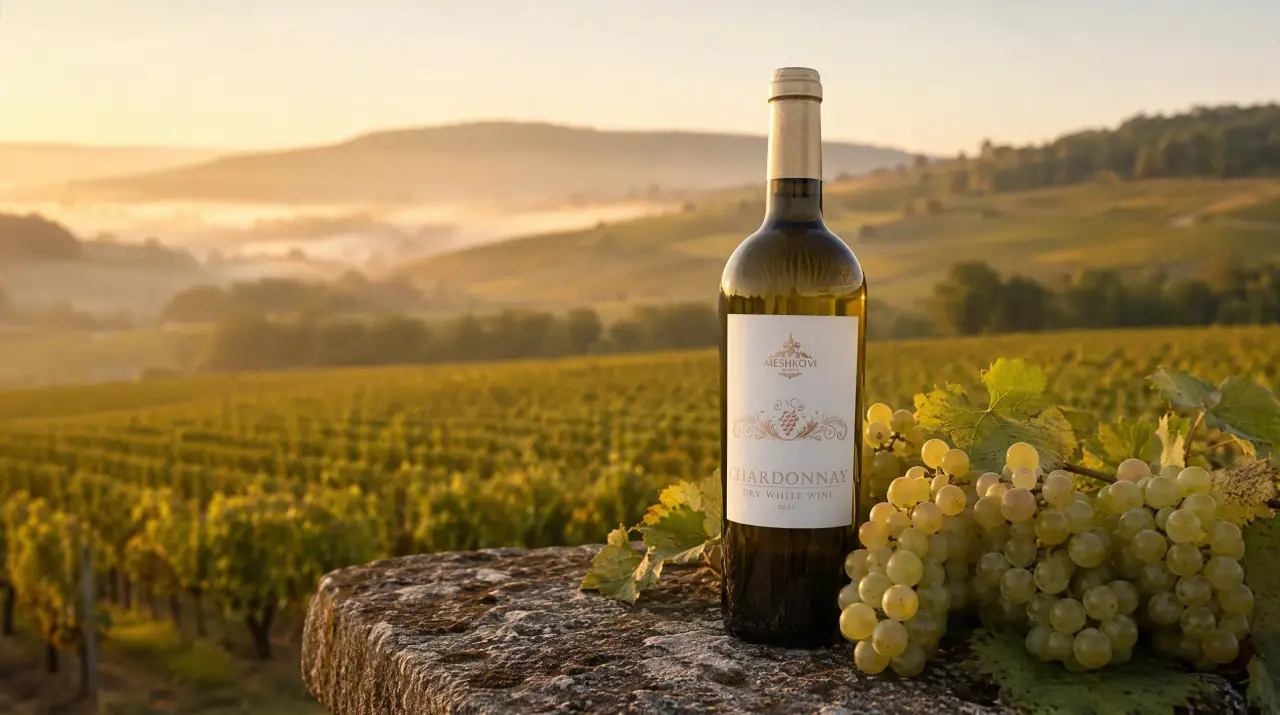
Chardonnay – A Story That Begins in France
When Chardonnay is mentioned, one of the first places that comes to mind is Burgundy, France. For centuries, Chardonnay has been part of Burgundy's winemaking tradition and is the foundation of some of the world's most renowned white wines.
But the story of this grape is even more fascinating. Modern genetic research has shown that Chardonnay is a natural offspring of Pinot Noir and Gouais Blanc, revealing part of its ancient heritage.
From France, Chardonnay gradually travelled beyond its traditional home and spread across the world. Today, it can be found throughout Europe, Australia, New Zealand, the United States, South America and many other wine regions.
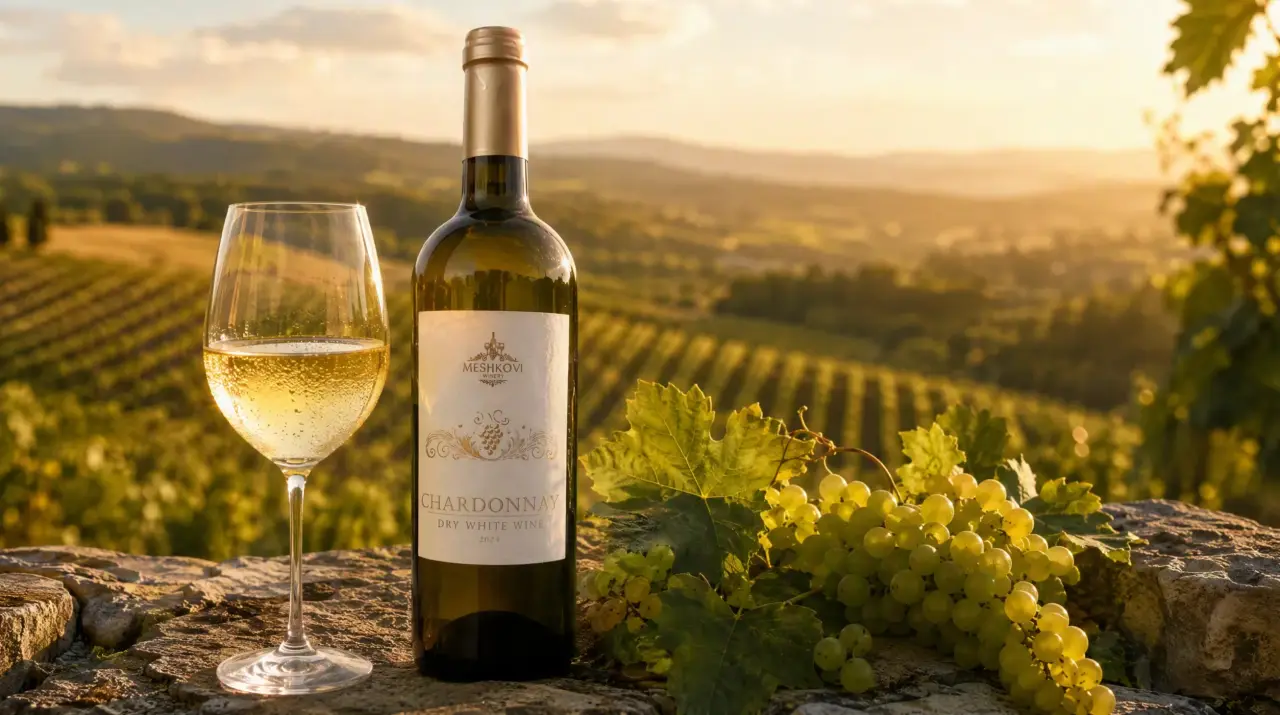
One Grape, Different Characters
One of the most fascinating things about Chardonnay is that there is no single “Chardonnay taste”.
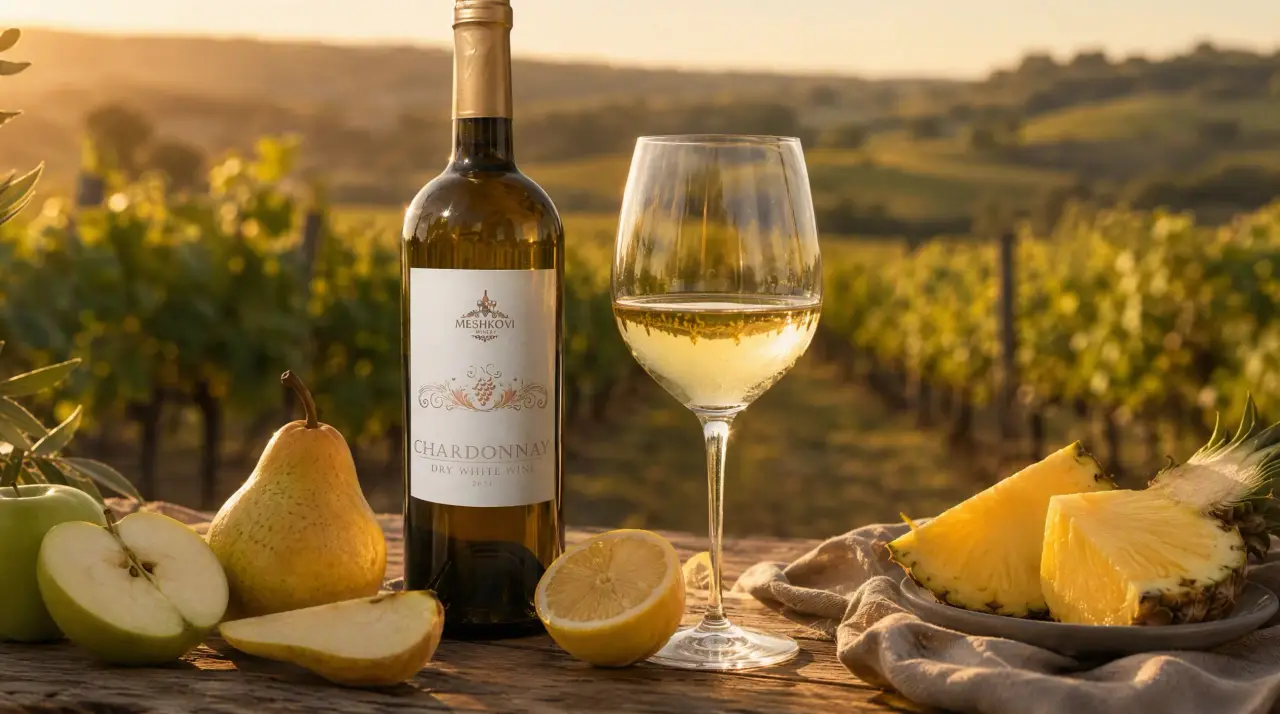
Climate has a major influence on the character of the wine. In cooler regions, Chardonnay often shows fresh aromas of lemon, green apple, pear and citrus, with higher acidity and a mineral character.
In warmer climates, the grapes can develop riper and more expressive fruit aromas – from peach and melon to pineapple and other tropical fruit.
But the story does not end there.
Chardonnay is often described as a canvas for the winemaker. The way the grapes and wine are handled can significantly shape the final expression.
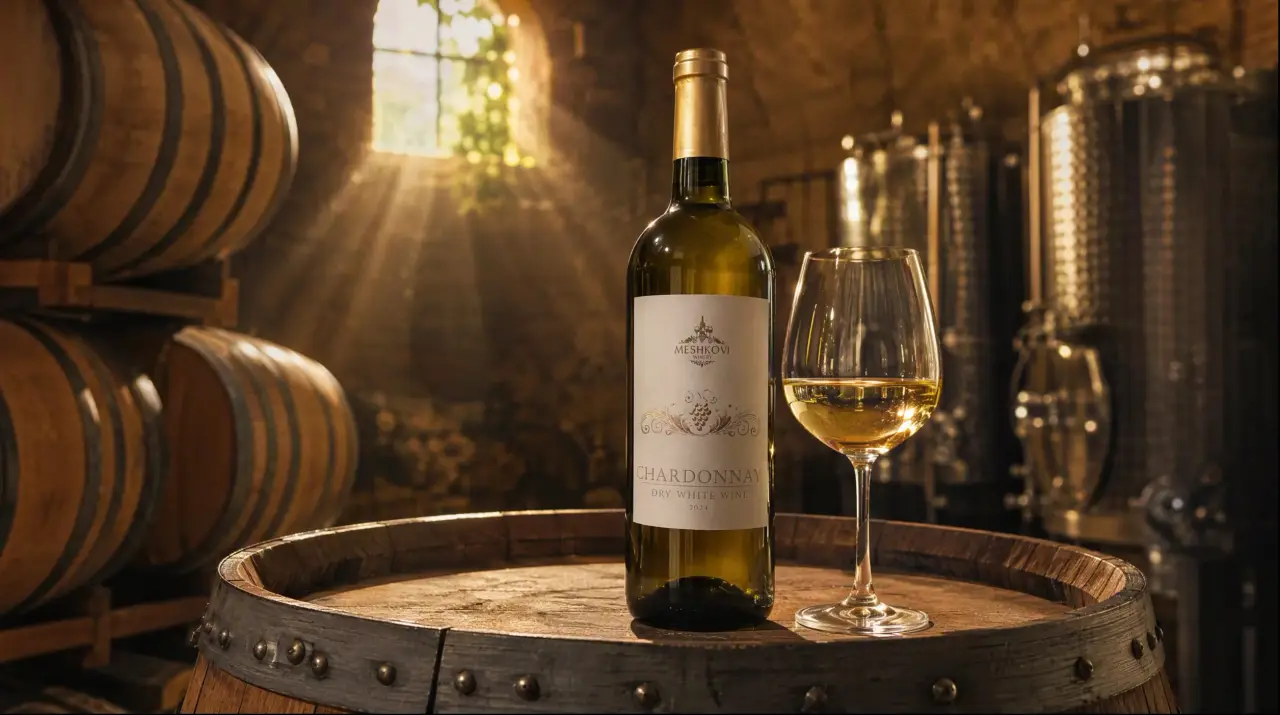
What Does Oak Do to Chardonnay?
When Chardonnay is made without oak ageing, it can be fresh, clean and fruit-driven.
But when the wine spends time in oak barrels, the story changes. Oak can contribute additional aromas and texture, including vanilla, toast and subtle buttery notes.
Another important factor can be malolactic fermentation. This process can soften the wine's acidity and contribute to a smoother, creamier texture.
That is why two bottles of Chardonnay made from the same grape variety can taste remarkably different.
One may be fresh and citrus-driven. Another may be rich, creamy and marked by notes of vanilla and toast.
Chardonnay and Food
The versatility of Chardonnay makes it a natural partner for food.
Lighter, fresher styles work beautifully with fish, shrimp, shellfish and fresh salads, while richer styles can complement salmon, chicken, creamy sauces and mature cheeses.
But there is no single rule. The diversity of Chardonnay styles is exactly what makes it so enjoyable to explore with different dishes and flavours.
0 Comments
No comments yet. Be the first to share your thoughts.