

Wine doesn't have to be complicated. You don't need to be a sommelier to enjoy a good glass of wine, but a few small habits can affect its taste, aroma, and overall experience.
Some of them are things we do without even thinking about them.
From the temperature of the wine, to the way we hold our glass and where we store the bottle — here are 5 of the most common mistakes we make when drinking wine and how to easily avoid them.
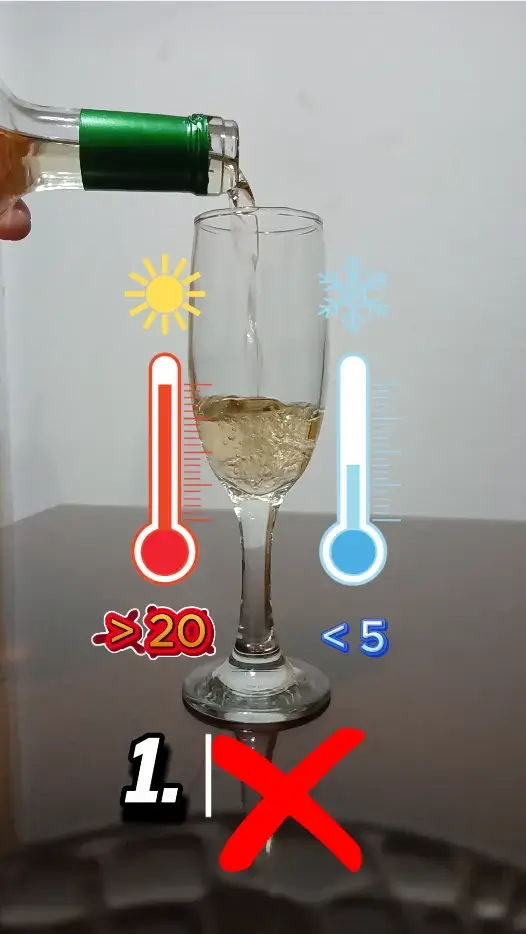
🍷 1. Serving wine at the wrong temperature 🌡️
This is probably one of the most common mistakes.
We often hear:
“White wine should be ice cold.”
or:
“Red wine should be served at room temperature.”
But both of these rules are oversimplified.
Temperature has a major influence on how we experience a wine's aromas, acidity, structure, and alcohol.
How should it be served?
As a general guideline:
light white wines: around 7–10°C
aromatic and fuller-bodied white wines: around 9–12°C
lighter red wines: around 12–16°C
full-bodied red wines: around 15–18°C
You don't need to stand there with a thermometer before every glass. 😉
The idea is simple: don't serve wine too cold or too warm.
If a white wine is too cold, its aromas and flavors can become muted. If a red wine is too warm, the alcohol can become more pronounced and the wine may feel heavier.
A small tip: if your wine is too cold, leave it in the glass for a few minutes. As it gradually warms, you may notice its aromas and flavors becoming more expressive.
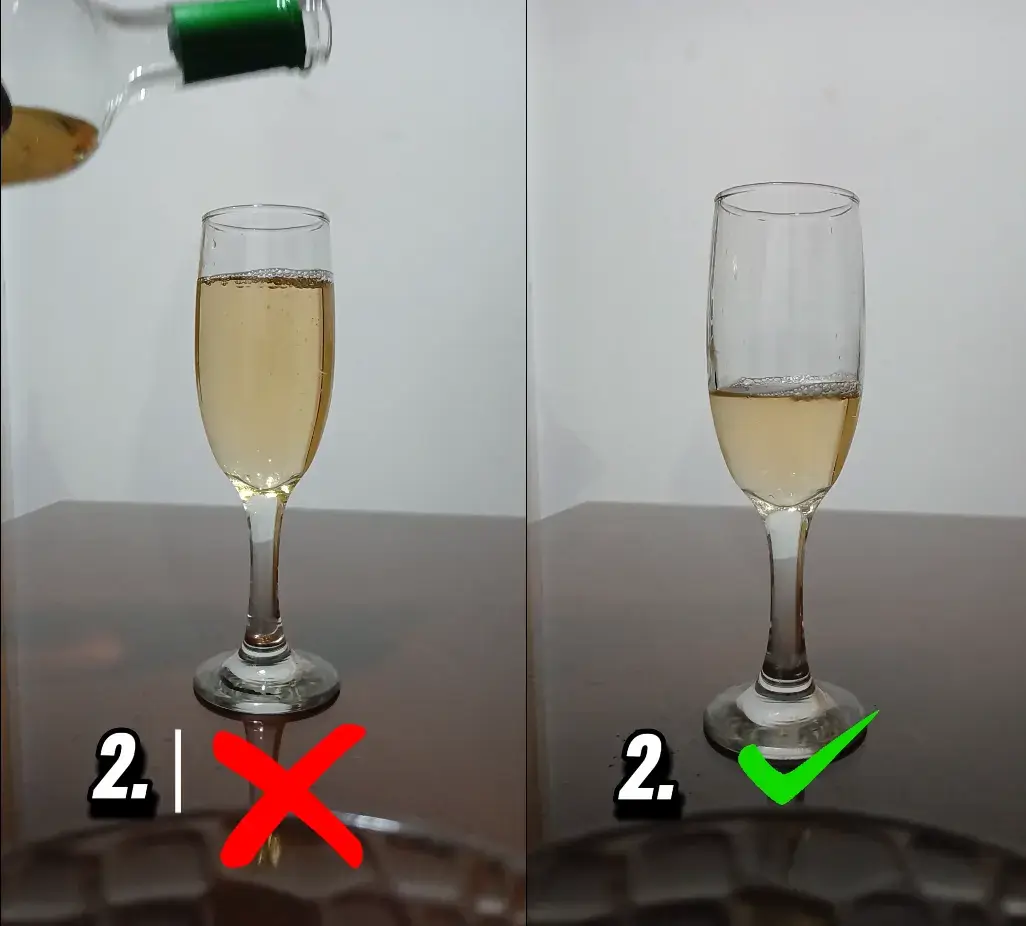
🥂 2. Filling the glass to the top
This may be one of the easiest mistakes to recognize.
We pour some wine, then a little more... and a little more.
Before we know it, the glass is full to the top.
It may look generous, but it's not the best way to enjoy wine.
Why?
We don't experience wine only through taste.
Aroma is a huge part of the overall experience.
When there is space above the wine, aromatic compounds can collect in that space. Gently swirling the glass can also help release more aromas.
This is one of the reasons wine glasses are wider at the bottom and narrower toward the top.
How should you do it?
As a practical rule, fill the glass to around one-third full.
This leaves enough room for:
pouring → swirling → smelling → tasting.
It also makes it easier to control the temperature and reduces the chance of accidentally spilling the wine.
So next time, don't rush to fill your glass to the top.
Give the wine some room.
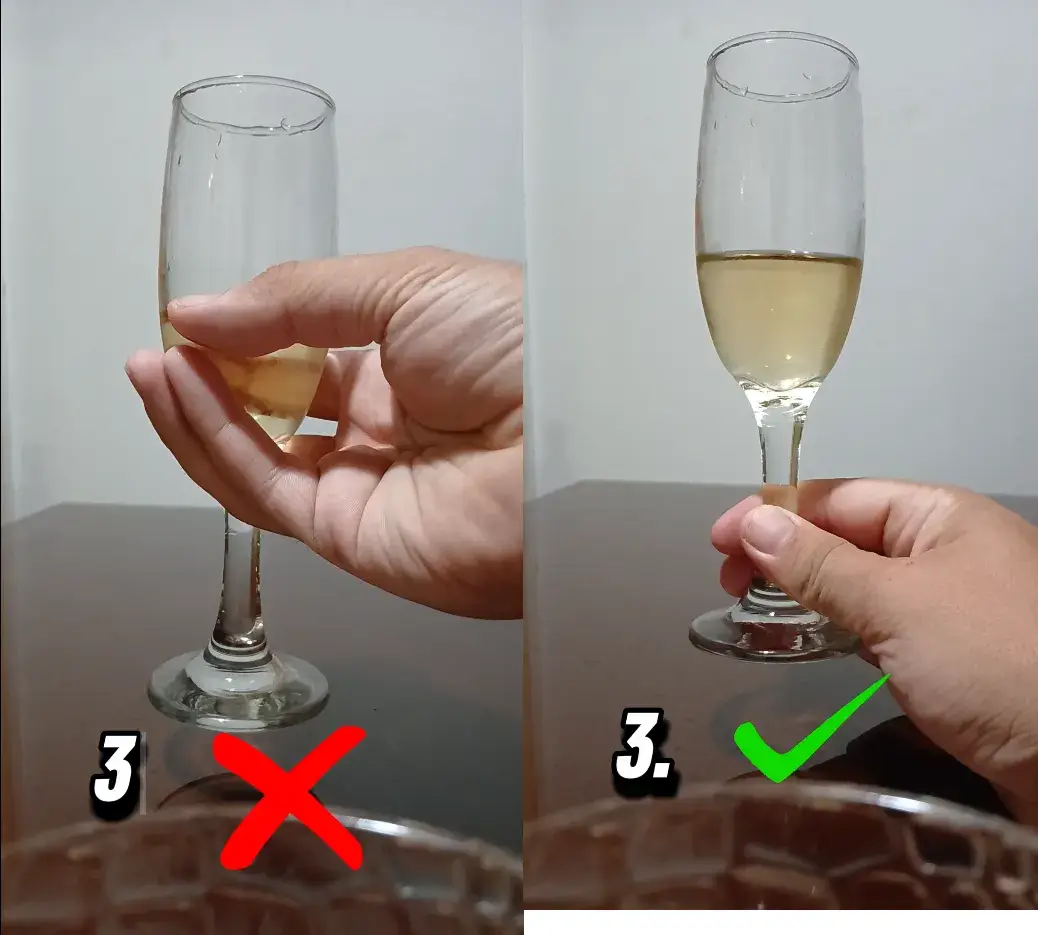
🫳 3. Holding the glass by the bowl
It may seem like a small detail, but it can make a difference.
When you hold the glass by the bowl, the heat from your hand gradually transfers to the wine. This is especially noticeable with chilled white and sparkling wines.
How should you hold it?
It's best to hold the glass by the stem.
This helps:
maintain the desired temperature;
avoid unnecessarily warming the wine;
keep the bowl cleaner;
make it easier to swirl the glass and release aromas.
There is a reason wine glasses have stems.
It's not just to make them look more elegant on the table.
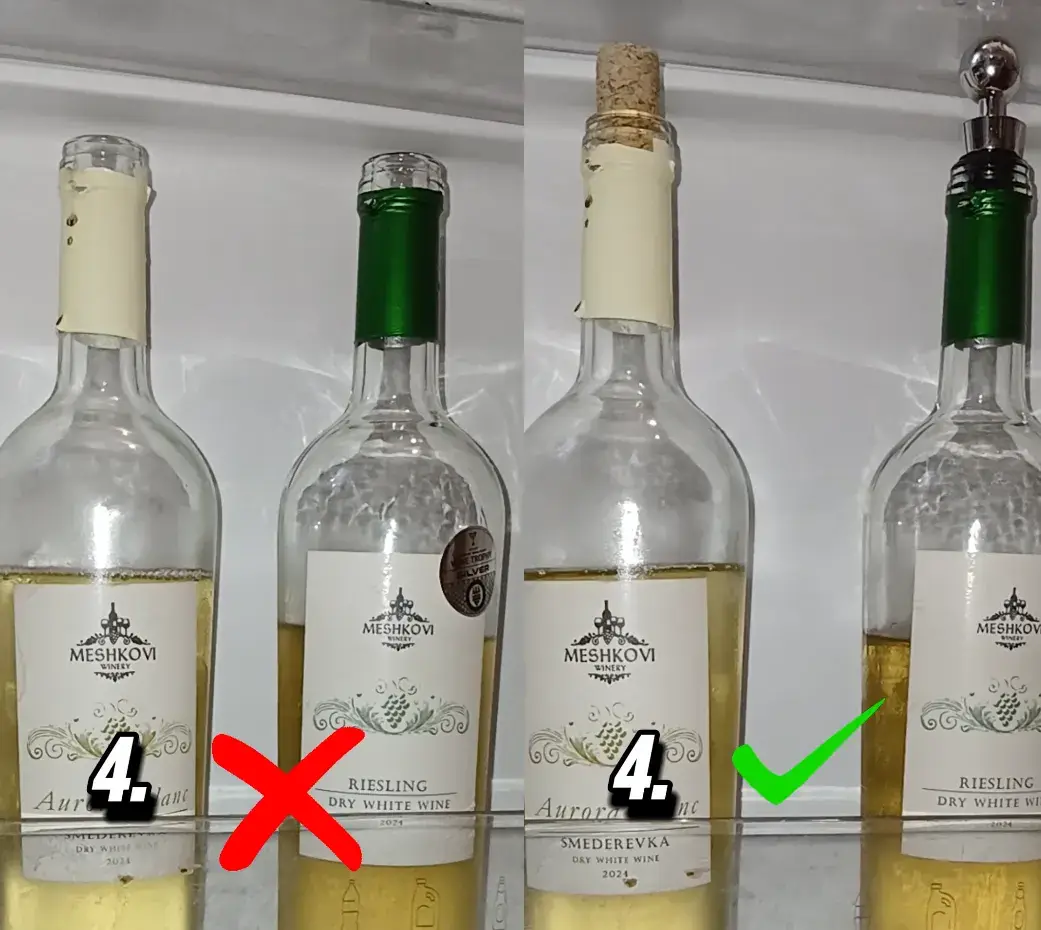
☀️ 4. Storing wine in the wrong place
This is a mistake we often notice only after it's too late.
The bottle sits on the kitchen counter.
Or next to a window.
Or somewhere where the temperature changes significantly throughout the day.
“But the bottle is sealed.”
Yes — but that doesn't mean it's protected from its surroundings.
Wine doesn't like:
☀️ direct sunlight
🔥 high temperatures
🌡️ large temperature fluctuations
💡 prolonged exposure to strong light
So, if you don't have a wine cellar or wine fridge, choose a dark place with a stable and moderate temperature.
You don't need a professional wine cellar to store a bottle properly.
Just avoid the hottest and sunniest place in your home.
What about opened wine?
Once a bottle has been opened, it's best to reseal it as well as possible and store it in the refrigerator.
The lower temperature slows down the oxidation process.
This doesn't mean an opened bottle can last for weeks, but proper storage can help preserve its character for longer.
A small tip: if you know you won't finish the whole bottle, reseal it immediately after pouring and return it to the refrigerator.
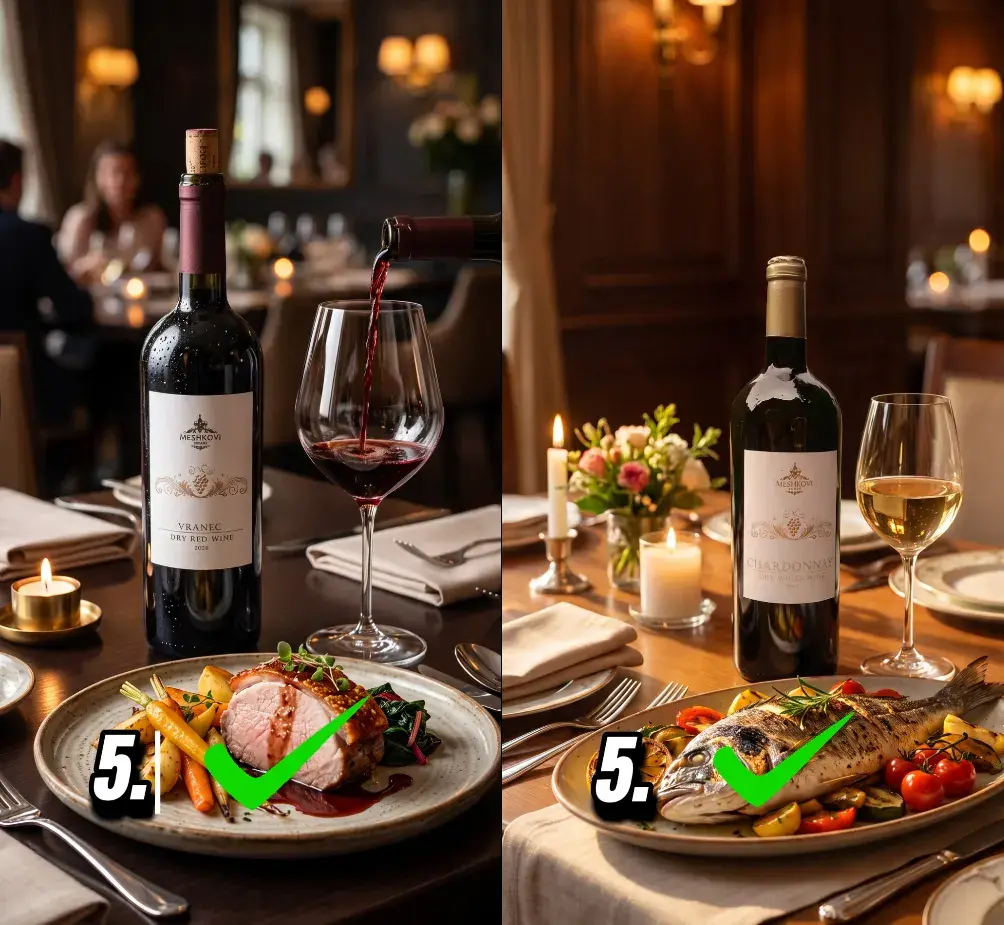
🍽️ 5. Following wine pairing rules too strictly
“Red wine with meat.”
“White wine with fish.”
We've probably all heard these rules.
And they're not necessarily wrong.
The problem comes when we treat them as strict laws.
Wine and food should complement each other, but there isn't always just one “correct” pairing.
How should you approach it?
Instead of thinking only about the color of the wine, think about the weight, acidity, structure, and intensity of both the food and the wine.
For example:
🥂 Light and fresh white wines pair beautifully with salads, seafood, light appetizers, and fresh cheeses.
🍋 Aromatic white wines with pronounced freshness can work wonderfully with spicy food, Asian dishes, and sweet-and-sour flavors.
🌸 Rosé wines are a great choice for light summer dishes, salads, pasta, pizza, and a variety of appetizers.
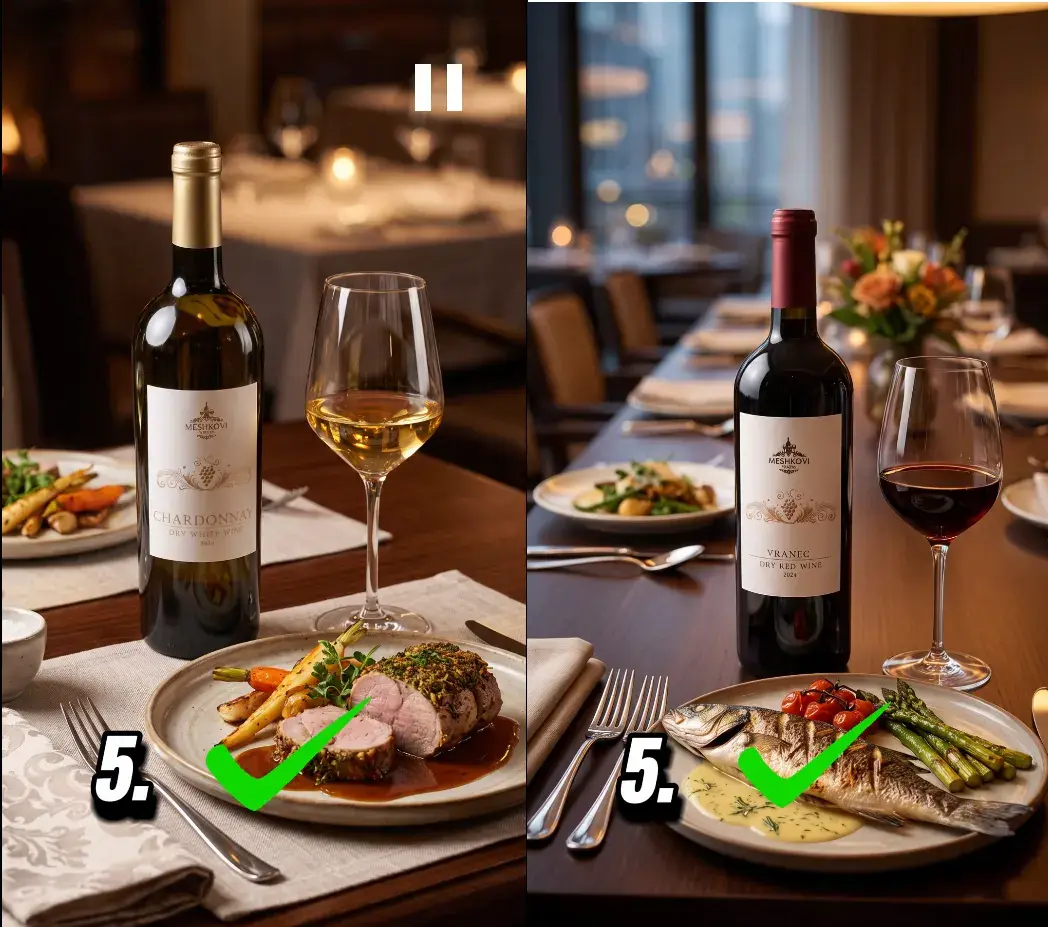
🍷 Lighter red wines can pair beautifully with pasta, pizza, mushrooms, chicken, and lighter meat dishes.
🍷 Full-bodied and structured red wines naturally work well with grilled meats, red meat, aged cheeses, and dishes with more intense flavors.
But the most important rule is:
If you enjoy the combination, then the combination works.
Wine shouldn't be a test of knowledge.
It should be part of the enjoyment.
🍷 Wine Doesn't Have to Be Complicated
Temperature, glassware, storage, and the food we pair with wine can all make a big difference.
But we shouldn't let the rules make wine complicated.
Next time you open a bottle, try paying attention to these five things.
Serve it at the right temperature, leave it some room in the glass, hold the glass by the stem, store the bottle properly and, when it comes to food, don't be afraid to experiment.
You might discover that the wine you're drinking has more to offer than you expected.
Now tell us:
How many of these 5 mistakes have you made?
If the answer is “all of them” — don't worry.
Now you know how to avoid them. 😉
From our family to yours.
0 Comments
No comments yet. Be the first to share your thoughts.